
Analog Audio, Digitális Audio, Gyártók, Hi8, TV - Monitor, Video felvevő, Video Player, Video8, Walkman
Sony GV-S50E Operating Instructions
Sony GV-S50E Service Manual
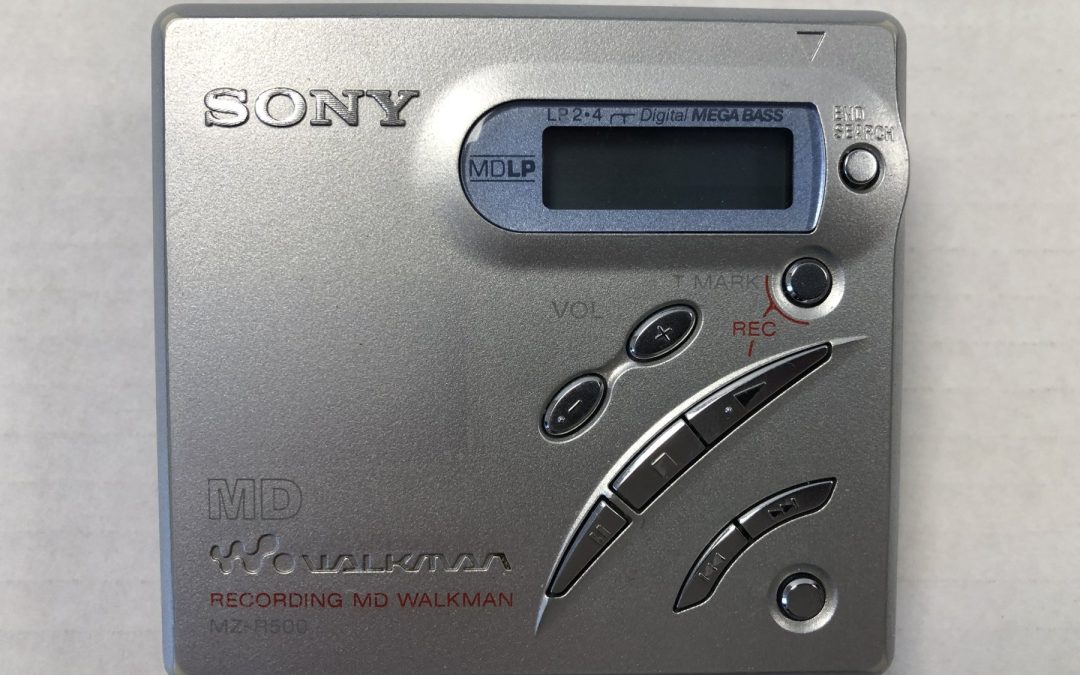
Digitális Audio, Digitális rögzítők, Gyártók, MiniDisc, Walkman
Sony MZ-R500 Operating Instructions
Sony MZ-R500 Service Manual
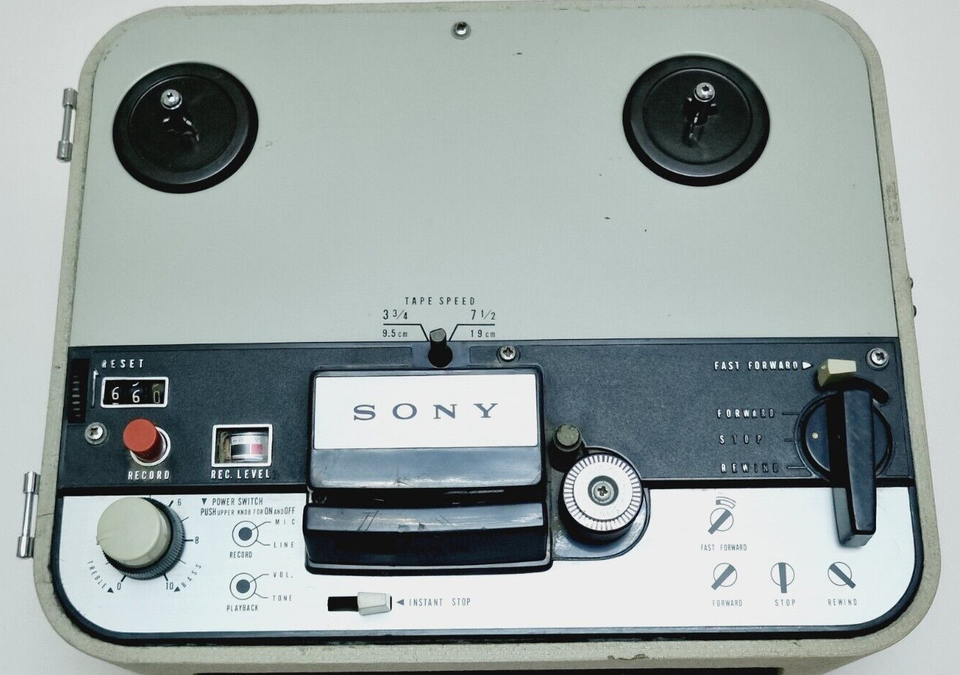
Analog Audio, Gyártók, Orsós-szalagos

Analog Audio, Gyártók, Magnó, Microcassette™, Oda-vissza felvevő játszó
Sony M-740V Operation Instructions

Analog Audio, Gyártók, Rádió-Tuner
SONY STV7L Service Manual EN

CD player, Digitális Audio, Gyártók
Sony CDP-S27 Service Manual

Analog Audio, Automata, Gyártók, Lemezjátszó, Linear Tracking, MovingMagnet cartridge, Pick-Up
Sony PS-LX500 Service Manual
Sony PS-LX500 Operating Instructions

Analog Audio, Compact Cassette Player, Gyártók, Magnó, Oda-vissza játszó

Analog Audio, BetaCam, Gyártók, Video felvevő
Sony BVW-75 Prospect
Sony BVW-70 Flyer

Analog Audio, CD player, Compact Cassette, Digitális Audio, Gyártók, Magnó, Music center - Hi-Fi torony
Sony CMT-SPZ70 Operation Instructions
Sony CMT-SPZ70 Adatok
Sony CMT-SPZ70 Service Manual

Analog Audio, BetaCam, Digital Betacam, Digitális Audio, Gyártók, Lejátszó, Video Player
Sony J-30 Operation Manual
| Tape Format |
Digital Betacam
MPEG/IMX
Betacam SX
Betacam/Betacam SP |
| Tape Speed |
Digi-Beta-96.7 mm/sec.
MPEG/IMX-53.776 mm/sec. (NTSC)
BetaSX – 59.515 mm/sec (525 mode), 59.575 (625 mode)
Betacam/BetaSP – 118.6 mm/sec (525 mode), 101.5 mm/sec (625 mode) |
| Maximum Playback Time |
Digi-Beta-124 minutes
MPEG/IMX-184 minutes
BetaSX-194 minutes
Betacam/BetaSP-90 minutes |
| Input and Output Connectors |
Sync- BNC (x 1 input)
Composite Video- BNC (x 1 output)
Composite Video- RCA (x 1 output)
S-Video- 4-Pin (x 1 output)
FireWire- 6-Pin (x 1 output)
SDI Video- BNC (x 2 output)
Time Code- BNC (x 1 output)
Audio- XLR (x 2 output)
Audio- RCA (x 2 output)
RS-422A- 9-Pin (x 1)
RS-232C- 9-Pin (x 1)
Headphones- 1/4-Inch Stereo (x 1 output) |

Analog Audio, Automata, Gyártók, Lemezjátszó, Linear Tracking, MovingMagnet cartridge, Pick-Up
Sony PS-FL7 Service Manual
Sony PS-FL7 Instructions Manual
Sony PS-FL7 News
Sony PS-FL7 News 2

CD player, Digitális Audio, DVD player, Gyártók, MP3 player, Receiver Rádió-erősítő, SACD player, Video CD player
Sony DAV-X10 Operating Instructions
Sony DAV-X10 Service manual
Sony DAV-X10 Specifications

Aktív Hangszóró, Analog Audio, Gyártók, Kiegészítők
Sony SRS-T77 Operating Instructions

Analog Audio, Compact Cassette, Gyártók, Magnó, Oda-vissza játszó
Sony MTL-10 Sevice Manual
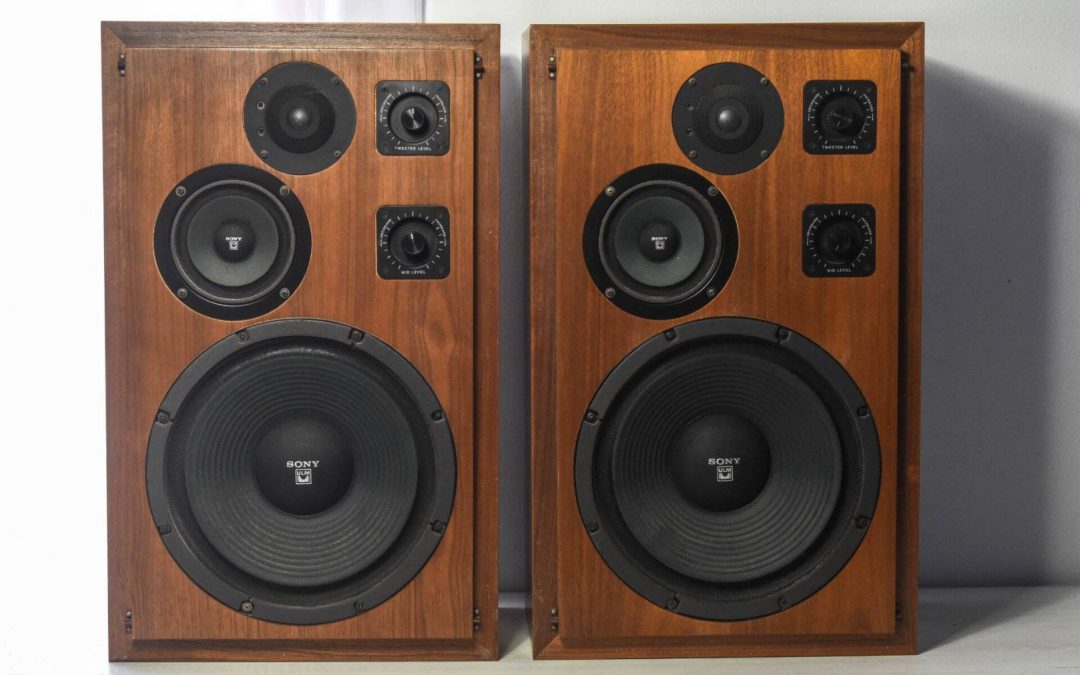
Analog Audio, Gyártók, Hangszóró, Kiegészítők
Sony SS-7300 Service Manual

CD player, CDV player, Digitális Audio, DVD player, Gyártók, Video CD player
Sony DVP-CX850D Service Manual
Sony DVP-CX850D Sound Vision
Sony DVP-CX850D Operating Instructions

Digitális Audio, Digitális rögzítők, Gyártók, MiniDisc
Sony MDS-S38 Operation Manual
Sony MDS-S38 Service Manual

Analog Audio, Digitális Audio, Erősítő, Gyártók, Stereo
Sony TA-V7700 Service Manual

Digitális Audio, Digitális rögzítők, Gyártók, Mini DVCAM, MiniDV, MiniDV for HDV, Video Camera
Sony DSR-PDX10P Operating Instructions
Sony DSR-PDX10P Service Manual

Digitális Audio, Gyártók
Sony PCM-1630 Service Manual
Sony PCM-1630 For Master Recordigs

Analog Audio, Automata, Compact Cassette, Erősítő, Gyártók, Lemezjátszó, Linear Tracking, Magnó, MovingMagnet cartridge, Music center - Hi-Fi torony, Oda-vissza játszó, Rádió-Tuner

Analog Audio, Elcaset, Gyártók, Magnó
Sony EL-7 Service Manual
Sony EL-7 Owner’s Instruction Manual

Analog Audio, Elcaset, Gyártók, Magnó
Sony EL-5 Test
Sony EL-5 Owner Manual
Sony EL-5 Sevice Manual

Digital Audio Tape, Digitális Audio, Digitális rögzítők, Gyártók, Magnó, Walkman
Sony TCD-D7 Service Manual

Analog Audio, Digitális Audio, Erősítő, Receiver Rádió-erősítő
Sony STR-DA 1200ES Használati útmutató
Sony STR-DA 1200ES Operating Instructions

Analog Audio, Erősítő, Gyártók, Receiver Rádió-erősítő, Stereo
Sony TA-AV570 Service Manual

Analog Audio, Fejhallgató, Gyártók, Kiegészítők

Analog Audio, Compact Cassette, Gyártók, Magnó, Oda-vissza felvevő játszó, Walkman
Sony WM-GX612 Service Manual

Analog Audio, Compact Cassette, Gyártók, Magnó, Walkman
Sony WM-D3 Operating Instructions
Sony WM-D3 service manual

Analog Audio, Gyártók, TV - Monitor, Video felvevő, Video8
Sony GV-8 Operating Instructions

Analog Audio, CD player, Digitális Audio, Discman, Gyártók, Lejátszó
Sony D-173 Operating Instruction

Digitális Audio, Digitális rögzítők, DVCAM, Gyártók
Sony DSR-70P Service Manual
Sony DSR-70P Operating Instructions

Analog Audio, Digitális Audio, Gyártók, Hi8, Kiegészítők, Távvezérlő, VHS Hifi, Video felvevő, Video8
Sony SLV-T2000 Service Manual
Sony_SLV-T2000 8mm video mechanical bulletins

Analog Audio, Digitális Audio, Digitális rögzítők, DVCAM, Gyártók, MiniDV, Video felvevő
Sony DSR-45A Operating Instructions

Analog Audio, Erősítő, Gyártók, Stereo
Sony TA-V7 SM
1984 Sony Audio
Sony TA-V7 Operating Instructions

CD player, Digitális Audio, Gyártók, Lejátszó
1982 Sony Compact Disc Player CDP-101 photo
1982 Sony Compact Disc Player CDP-101 photo

Gyártók, Kiegészítők, Távvezérlő

Analog Audio, Compact Cassette, Gyártók, Magnó
Sony TC-K81 Operating Instructions
Sony TC-K81 Service Manual

Analog Audio, Compact Cassette, Gyártók, Magnó, Oda-vissza felvevő játszó
Sony TC-K77R Service Manual

Gyártók, Video felvevő, Video Kamera, Video8
Sony CCD-TR350E Service Manual

Digitális rögzítők, Gyártók, Memory Stick, MiniDV, Video felvevő, Video Kamera
Sony DCR-PC110E Service Manual

Digital8, Digitális rögzítők, Gyártók, Hi8, Video felvevő, Video Kamera, Video8
Sony DCR-TRV340E Service Manual
Sony DCR-TRV340E Kezelési Útmutató
Sony DCR-TRV340E Review

CD player, Digitális Audio, Gyártók, Lejátszó
Sony CDPCX455 Inst Guide
Sony CDPCX455 Operating Instructions
Sony CDPCX455 Service Manual

Digitális rögzítők, Gyártók, MiniDV, MiniDV for HDV, Video felvevő, Video Kamera
Sony HDR-FX1 Service Manual
Sony HDR-FX1 Operating Instructions

Digitális rögzítők, Gyártók, Hi8, Video felvevő, Video Kamera
Sony CCD-TRV138 Service Manual
Sony CCD-TRV138 Operation Guide

Digitális Audio, Digitális rögzítők, Gyártók, HDD felvevő, Memory Stick, Video felvevő, Video Kamera
Sony HDR-SR1E Operating Guide

Gyártók, Kiegészítők, Távvezérlő

Analog Audio, Compact Cassette, Gyártók, Magnó, Rádió-Tuner, Walkman
Sony WM-F1 Service manual

Datadisc, Digitális Audio, Digitális rögzítők, Gyártók, Keverő, MiniDisc
Sony MD MDM-X4 Data Wikipedia
Sony MDM-X4 Operating Instructios
Sony MDM-X4 leírás

CD player, Digitális Audio, Discman, Gyártók, Rádió-Tuner
Sony D-T405 Operating Instructions

CD player, Digitális Audio, Discman, Gyártók
Sony D-99 Service Manual

Analog Audio, Automata, Compact Cassette, Gyártók, Lemezjátszó, Magnó, MovingMagnet cartridge, Music center - Hi-Fi torony
1980 Sony Music Centre HMK 7000B photo
1980 Sony Music Centre HMK 7000B photo
1980 Sony Music Centre HMK 7000B photo

Analog Audio, Compact Cassette, Erősítő, Gyártók, Magnó, Oda-vissza játszó, Rádió-Tuner, Stereo
Sony FH-9 Service Manual
Sony FH 9 Brochure

CD player, Digitális Audio, Gyártók
Sony CDP-11S Service Manual
Sony CDP-11S Operating Instructions

Analog Audio, Gyártók, Video felvevő, Video8
sebess
Sony EV-C3 leírás
Sony EV-C3 service manual

Aktív Hangszóró, Analog Audio, Gyártók
Sony SA-N11 Service Manual
Sony SA-N1 Service Manual

Analog Audio, Compact Cassette, Gyártók, Magnó, Oda-vissza játszó
Sony TC-TX1 Operating Instructions

Digital Audio Tape, Digitális Audio, Digitális rögzítők, Gyártók
Sony DTC-A8 Service Manual
Sony DTC-A8 Leírás

Gyártók, Kiegészítők, Monitor - TV
Sony PVM-9041QM Service Manual
Sony PVM-9041QM leírás

Digital Micro Tape, Digitális Audio, Digitális rögzítők, Gyártók
Sony NT-1 Service Manual
Sony NT-1 Specification
Sony NT-1 Operation Instructions

Digital Audio Tape, Digitális Audio, Digitális rögzítők, Gyártók, Walkman
Sony TCD-D3 Operating Instructions
Sony TCD-D3 leírás

Analog Audio, Gyártók, Hangszóró, Kiegészítők
Sony APM12ES Service Manual

Analog Audio, Digital Micro Tape, Digitális Audio, Digitális rögzítők, Gyártók
- Sony NT-2 is an improved version of the Sony Digital Micro Recorder NT-1.Both models are designated by “Scoopman” and use the same type of cassette tape, developed by Sony. The NT cassette tape is the world smallest tape cassette.Both recorders use the Sony NT Non Tracking system. This system uses a miniature rotary head drum doing helical scanning of the tape in a way similar to that of used in video tape recorders. The rotary heads rotate at double speed and the reading of tracks provides one complete track and two track segments. The track synchronization is obtained by a special chip that detects the signals of the valid track, rejecting the other segments, avoiding the complication of the mechanical synchronization of tracks.Specifications:· Recording Format: NT format
· Tape: Digital micro cassette tape (NT cassette tape)
· Recording system: Helical scan 2 heads, digital recording
· Recording heads: 4 heads
· Recording time: 60 minutes (with the supplied NTC-60)
· Tape speed: 6.35 mm/s
· Drum rotation: 3000 rpm
· Error correction: Cross-interleaving code
· Track pitch: 9.8 µm
· Sampling frequency: 32 kHz
· Modulation system: LDM-2
· Number of channels: 2-channel, stereo
· Quantization: 12 bit non-linear (equivalent to 17 bit)
· Frequency response: 10 Hz to 15,000 Hz (+ 1, -3dB)
· Signal-to-noise ratio: More than 80 dB (1 kHz, IHF-A, 20 kHz, LPF, LINE IN)
· Dynamic range: More than 80 dB
· Total harmonic distortion: Less than 0.08%
· Wow and flutter: Below measurable limit (less than 0.001% W.Peak)
· Power requirements: DC 1.5 V; Size AA (LR6) battery or AC power adaptor
· Battery life: Approx. 5 hours (consecutive recording), Approx. 3 hours (consecutive playback) (with Sony alkaline battery LR6)
· Lithium battery life: Approx. 1 year (for clock and calendar)
· Power consumption: Approx. 300 mW
· Mass: 155 g; 210 g (including the headphones, Sony battery LR6, and one NT cassette tape NTC-60)
Sony NT-2 brochure
Sony NT-2 Operating Instructions

Digitális Audio, Digitális rögzítők, Gyártók, MiniDisc
Sony MZ-N710 Operating Instructions

Digitális Audio, Digitális rögzítők, Gyártók, MiniDisc
Sony MZ-R5ST Operating Instructions
Sony MZ-R5ST Service Manual
Sony MZ-R5ST Operation Instructions EN

Digitális Audio, Digitális rögzítők, Gyártók, MiniDisc, Távvezérlő, Walkman
Sony MZ-R37 Operating Intructions
Sony MZ-R37 Service Manual
Sony MZ-R37 MDPort AN1 manual

Analog Audio, Távvezérlő, VHS Hifi, Video felvevő
2004 Sony SLV-SE640 photo

Analog Audio, Compact Cassette, Magnó, Oda-vissza játszó, Walkman

Digitális Audio, Gyártók
1984 Sony Digital Audio Processor PCM 501ES photo

Analog Audio, Automata, Gyártók, Lemezjátszó, MovingMagnet cartridge
Sony PS-Q7 Service Manual

Analog Audio, Compact Cassette, Magnó, Rádió-magnó

Analog Audio, Compact Cassette, Gyártók, Magnó
Sony TCM-757 Service Manual
Sony TCM-757 Leírás

Analog Audio, Gyártók, Magnó, Orsós-szalagos
Sony TC-200 Owner’s Instruction Manual
Sony TC-200 Service Manual
Sony TC-200 Schematic diagram
Sony TC-200 leírás

Analog Audio, Gyártók, Lemezjátszó, MovingMagnet cartridge
Sony PS-Q3 Service Manual

Analog Audio, Gyártók, Lemezjátszó, MovingMagnet cartridge
Sony PS-Q7 Leírás
Sony PS-Q7 Service Manual

Analog Audio, Compact Cassette, Gyártók, Magnó
1983 Sony stereo cassette deck TC-V7 photo
1983 Sony stereo cassette deck TC-V7 photo

Erősítő, Gyártók, Kiegészítők, Stereo

Analog Audio, Compact Cassette, Erősítő, Gyártók, Magnó, Music center - Hi-Fi torony, Oda-vissza játszó, Rádió-Tuner
Sony FH 7 Service Manual
Sony FH 7 Brochure

Analog Audio, Elcaset, Gyártók
Sony Elcaset LC-90 Leírás

Digitális Audio, Digitális rögzítők, Gyártók, Hi-MD, MiniDisc, Walkman
Sony MZ-RH1 Service Manual
Sony MZ-RH1 Operating Instructions

Digitális Audio, Digitális rögzítők, Gyártók, USB felvevő, USB player
Sony ICD-U60 Operating Instructions

Digitális Audio, Digitális rögzítők, Gyártók, Walkman
Sony NW-E103 User Guide
Sony NW-E103 Kezelési Útmutató

Digitális Audio, Digitális rögzítők, Gyártók, Hi-MD, MiniDisc, Walkman
Sony MZ-RH10 Operating Instructions
Sony MZ-RH10 Service Manual

Digitális Audio, Digitális rögzítők, Gyártók, MiniDisc
Sony MZ-B10 Operating Instructions
Sony MZ-B10 Service Manual

Digitális Audio, Digitális rögzítők, Gyártók, MiniDisc, Rádió-Tuner, Távvezérlő, Walkman
Sony MZ-G750 Operating Instructions
Sony MZ-G750 Service Manual
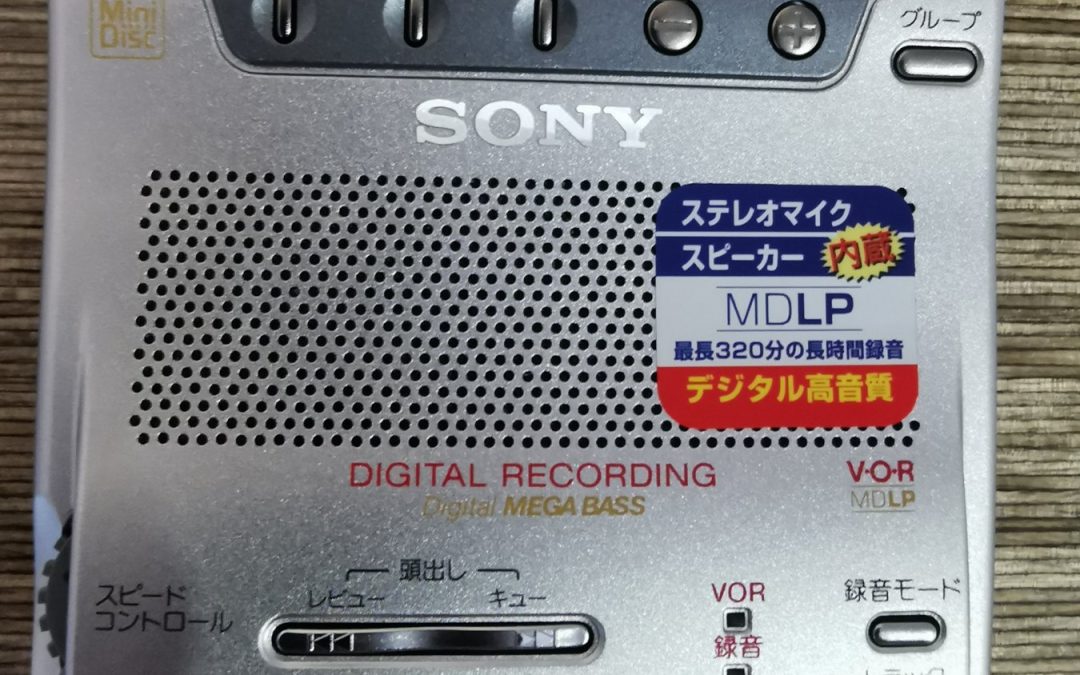
Digitális Audio, Digitális rögzítők, Gyártók, MiniDisc, Távvezérlő
Sony MZ-B100 Operating Instructions

Digital8, Digitális rögzítők, Gyártók, Video felvevő
Sony GV-D200 NTSC Operating Instructions
Sony GV-D200 NTSC Service Manual

Analog Audio, Gyártók, TV - Monitor
Sony Watchman FDL-E22U Operating Instructions
Sony Watchman FDL-E22U Service Manual
1998 Sony Watchman FDL-E22U photo

Digitális Audio, Digitális rögzítők, Gyártók, MiniDisc, Távvezérlő, Walkman
Sony MZ-R55 Service Manual

Analog Audio, Gyártók, Magnó, Microcassette™
Sony M-100MC Operating Instructions
Sony M-100MC Leírás

Digitális rögzítők, Gyártók, MiniDisc, Távvezérlő, Walkman
Sony MZ-R35 Operating Instructions

Digitális Audio, Gyártók, MiniDV, Monitor - TV, Távvezérlő, Video felvevő
Sony GV-D900E Operating Instructions
Sony GV-D900E Service Manual

Analog Audio, Compact Cassette, Gyártók, Magnó
Sony TC-TX313 Service Manual

Digital Audio Tape, Digitális Audio, Digitális rögzítők, Gyártók, Walkman
Sony TCD-D100 Operation Instructions
Sony TCD-D100 Service Manual

Analog Audio, CD player, Compact Cassette, Digitális Audio, Gyártók, Magnó, MiniDisc, Oda-vissza játszó, Receiver Rádió-erősítő
„Qbric” is a sound system with a face no larger than a CD jacket. Viewing this system as part of larger interior decoration plan, the finishes are seen in a softer, warmer coloring compared to the once ubiquitous onyx motifs.
Sony CMT-M1 Operating Instructions
Sony SA-N1 Service Manual

Digitális rögzítők, Gyártók, MiniDisc, Walkman
Sony MZ-R3 Operating Instructions

Analog Audio, Compact Cassette, Gyártók, Magnó, Walkman

Digitális rögzítők, Gyártók, MiniDisc, Walkman
Sony MZ-R2 Operating Instructions
Sony MZ-R2 Service manual

DATA Discman, Gyártók, Lejátszó
Sony DD-1EX Repair

Digitális Audio, Digitális rögzítők, Gyártók, MiniDisc, Walkman
Sony MZ-1 Operating Instructions
Sony MZ-1 Service Manual

Analog Audio, Compact Cassette, Gyártók, Magnó, Rádió-Tuner, Walkman
Sony WM-BF59 Leírás

Analog Audio, Compact Cassette, Gyártók, Magnó
Sony TC-45 leírás

Analog Audio, Compact Cassette, Gyártók, Magnó, Walkman
This edition was lithographed by Andy Warhol.
Sony WM-504 Service Manual

Analog Audio, Gyártók, Monitor - TV, Watchman
Sony Watchman Voyager FD-20AEB Leírás

Analog Audio, CD player, Compact Cassette, Erősítő, Gyártók, Lejátszó, Magnó, Music center - Hi-Fi torony
Sony FH-10W Service Manual

Analog Audio, Compact Cassette, Gyártók, Magnó
Sony TC-K1A Service manual
Sony TC-K1A Leírás

Analog Audio, Compact Cassette, Gyártók, Magnó

Analog Audio, Compact Cassette, Magnó
Sony TCM 5000 EV Service Manual
Sony TCM 5000 EV Operating Instructions

Analog Audio, Gyártók, Lemezjátszó
1983 Sony linear tracking stereo turntable system PS-FL77 photo

Analog Audio, Compact Cassette, Gyártók, Magnó
Sony TCM-7 Leírás
Sony Logic Controlled Mechanism TCM-7 Service Manual

Analog Audio, Compact Cassette, Gyártók, Magnó, Music center - Hi-Fi torony, Receiver Rádió-erősítő
Sony HST-300 Service Manual
Sony HST-300 Schematic

Analog Audio, Gyártók, Magnó, Microcassette™, Távvezérlő

Analog Audio, Compact Cassette, Gyártók, Magnó
Sony TC-D5 Pro II Service manual
Sony TC-D5 Pro II Flyer

Analog Audio, Compact Cassette, Gyártók, Magnó
Sony TCM-5 Operating Instructions
Sony TC-D5M Service Manual
Sony TC-D5M Leírás

Analog Audio, Compact Cassette, Gyártók, Magnó
Sony TC-126 Owner’s Instruction Manual
Sony TC-126 Service Manual

Analog Audio, Gyártók, Magnó, Orsós-szalagos
Sony TC-155 Owner’s Instruction Manual

Analog Audio, Gyártók, Magnó, Orsós-szalagos
Sony TC-252 Owner’s Instruction Manual
Sony TC-252 Service Manual

Analog Audio, Gyártók, Magnó, Orsós-szalagos
Sony TC 230 Owner’s Instruction Manual
Sony TC 230 Service Manual

Digitális Audio, Gyártók, USB player
Sony NWZ-B183F Instruction Manual
Sony NWZ-B183F Quick Start Guide

Gyártók, Kiegészítők, Mikrofon
Sony Microphone ECM-ZS90 Operating Instructions

Analog Audio, Compact Cassette, Gyártók, Magnó, Walkman
Sony WM-EX522 Kezelési Utasítás

CD player, Digitális Audio, Gyártók, SACD player
Sony SCD-XB780 Service Manual

Digitális Audio, Digitális rögzítők, Gyártók, Memory Stick, Walkman
Sony NW11 Operating Instructions

Analog Audio, CD player, Digitális Audio, Gyártók
Sony CDP-CX335 Operating Instructions

Analog Audio, Compact Cassette, Gyártók, Magnó, Walkman
Sony WM-EX190 Használati útmutató

Digitális rögzítők, Gyártók, MiniDisc
Sony MDS-JB940 sheet
Sony MDS-JB940 Operating Instructions

CD player, Digitális Audio, Digitális rögzítők, Gyártók, MiniDisc
Sony DHC-MD373 Service Manual

Digitális Audio, Digitális rögzítők, Gyártók, MiniDisc
Sony MDS-MX1 Service Manual

CD player, Digitális Audio, Gyártók
Sony CDP-CX270 Operating Instructions

Analog Audio, Compact Cassette, Erősítő, Gyártók, Magnó, Music center - Hi-Fi torony, Rádió-Tuner
Sony FH-7MKIII Service Manual

Analog Audio, Compact Cassette, Erősítő, Gyártók, Magnó, Music center - Hi-Fi torony, Rádió-Tuner
Sony FH-7MK II Service manual

Digital Audio Tape, Digitális Audio, Digitális rögzítők, Gyártók
Sony DTC-790 Service manual
Sony DTC-790 Operating Instruczions

Analog Audio, Compact Cassette, Gyártók, Magnó
Sony TC-K515s Info

Analog Audio, Compact Cassette, Gyártók, Magnó, Walkman
Sony WM-EX90 Operating Instructions

Compact Cassette, Gyártók, Magnó, Walkman
Sony WM-DD30 Service manual

Compact Cassette, Gyártók, Magnó, Walkman
Sony WM-DDIII Service Manual

Analog Audio, Compact Cassette, Gyártók, Magnó, Walkman

CD player, Digitális Audio, Discman, Gyártók
Sony D-88 Service Manual

Analog Audio, Compact Cassette, Gyártók, Magnó, Walkman

Analog Audio, Compact Cassette, Gyártók, Magnó, Rádió-magnó

Analog Audio, Compact Cassette, Erősítő, Gyártók, Magnó, Music center - Hi-Fi torony, Oda-vissza játszó, Rádió-Tuner
1986 Sony CFS-9000 photo

Analog Audio, Compact Cassette, Gyártók, Magnó, Walkman
1984 Sony Stereo Cassette Player Walkman Sports Model WM-35 photo
1984 Sony Stereo Cassette Player Walkman Sports Model WM-35 photo

Analog Audio, Compact Cassette, Gyártók, Magnó, Walkman
Sony WM-D6C Service Manual
Sony WM-D6C Operating Instructions

Analog Audio, Gyártók, Lemezjátszó, MovingMagnet cartridge

Analog Audio, Fejhallgató, Gyártók, Kiegészítők
1984 Sony Dynamic Stereo Headphones MDR-60 II photo

CD player, Digitális Audio, Gyártók

Analog Audio, Compact Cassette, Gyártók, Magnó, Walkman
Sony WM-DDI Service Manual

Analog Audio, Compact Cassette, Gyártók, Magnó, Walkman

Analog Audio, Compact Cassette, Gyártók, Magnó, Walkman
Sony WM-DD Service Manual

Analog Audio, Compact Cassette, Gyártók, Magnó, Rádió-magnó
Sony CF-540 Service Manual

Analog Audio, Compact Cassette, Gyártók, Magnó

Analog Audio, Compact Cassette, Gyártók, Magnó

Analog Audio, Gyártók, Magnó, Microcassette™
Sony M203 Leírás

Analog Audio, Fejhallgató, Gyártók, Kiegészítők

Analog Audio, Compact Cassette, Gyártók, Magnó, Rádió-magnó, Receiver Rádió-erősítő
Sony CF-420L Service Manual

Analog Audio, Compact Cassette, Gyártók, Magnó
Sony TC-153SD Service Manual
The first „Densuke” recorder for cassettes, complete with a shoulder strap. Aimed squarely at the growing number of live-recording enthusiasts, it continued in the acclaimed tradition of Densuke recorders. The TC-2850SD offered exceptional recording fidelity to go, in a brown and silver metal case. Controls were designed to more professional standards, and this is apparent in the buttons and level meters. Operating the switches felt like toggling high-end levers. What made this recorder a hit was its combination of durable construction and great usability.

Analog Audio, Compact Cassette, Gyártók, Magnó
Sony TC-55 Owner’s Instruction Manual
Sony TC-55 Review

Analog Audio, Gyártók, Magnó, Orsós-szalagos
Sony TC-377 Service Manual
Sony TC-377 Owner’s Instruction Manual

Analog Audio, Gyártók, Magnó, Orsós-szalagos
Sony TC 530 Owner’s Instruction Manual
Sony TC 530 Servicing Guide

Analog Audio, Gyártók, Magnó, Orsós-szalagos
Sony TC 260 Servicing Guide
Sony TC 260 Owner’s instruction manual
